The outbreak of conflict involving Iran has sent ripples through global markets, with the Gulf property sector entering a period of heightened uncertainty. While it is still very early, investors and developers are closely monitoring developments, seeking to understand the potential implications for transaction volumes, deal timelines, and broader market sentiment.
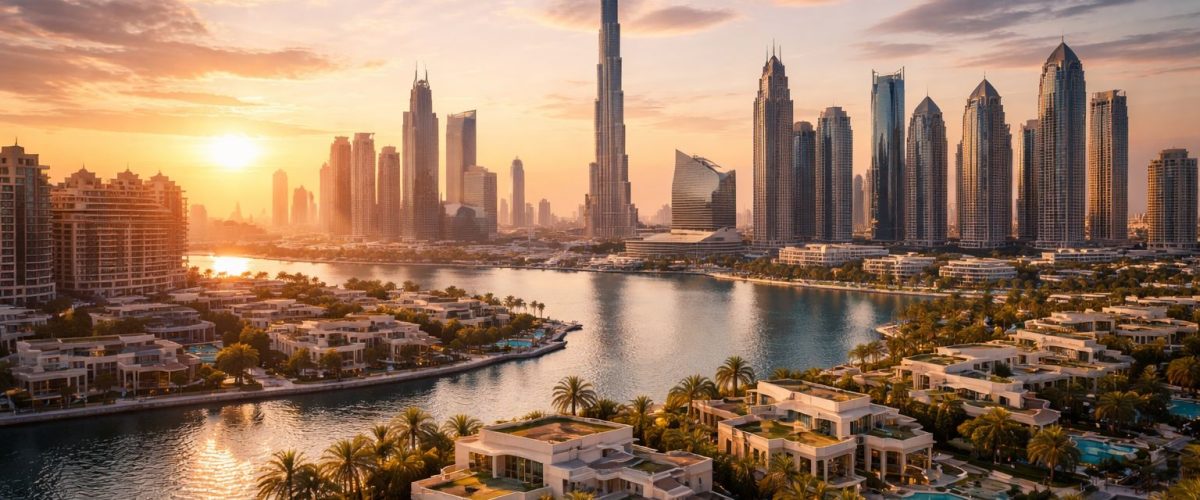
Gulf real estate markets, particularly in Dubai, Abu Dhabi, and Riyadh, had entered 2026 from a position of relative strength, with rising activity in residential and commercial segments. This foundation may help temper short-term shocks, but early signals indicate that stakeholders are exercising caution and reassessing timing for significant transactions.
Investors’ early reactions
Even in the first days of the conflict, market participants are adopting a wait-and-see approach. Early observations suggest that some buyers are postponing site visits and delaying deal signings, reflecting heightened awareness of geopolitical risk.
Short-term volatility in currency and financial markets may further influence decisions. Rather than abrupt changes, this cautious stance is more indicative of investors pausing to assess risk before committing to major purchases.
Economic fundamentals could provide a buffer
Rising oil prices and fiscal stability in GCC economies may help provide a buffer against immediate market shocks. Liquidity for infrastructure and ongoing development projects remains, potentially stabilising the property environment once initial uncertainty subsides.
It is too early to assess the impact on mortgage lending or construction activity. However, economic fundamentals suggest that Gulf property markets may retain structural resilience, even if transactional activity moderates temporarily.

Cities showing relative stability
Preliminary signals indicate that some Gulf cities could be perceived as relatively stable investment hubs. Dubai’s established infrastructure and regulatory framework, Abu Dhabi’s government-backed developments, and Riyadh’s long-term urban growth plans provide structural strengths that may appeal to investors over time.
Smaller GCC markets appear to be adjusting to evolving conditions, with developers focusing on completed or near-completion projects while reconsidering launch timelines. These are early trends and not definitive shifts, but they highlight the importance of monitoring investor confidence and market sentiment closely.
Prime vs off-plan property trends
It is too soon to assess market reactions across segments, but stakeholders may consider potential scenarios:
- Prime and luxury properties: Could retain appeal to high-net-worth buyers once confidence stabilises, due to their tangible value and established market reputation.
- Off-plan or speculative developments: Might experience slower uptake if uncertainty persists, especially among risk-sensitive buyers.
Monitoring these early signals can help developers and investors prepare strategies for short-term caution while remaining alert to long-term opportunities.
Tracking early signals and trends
Early market signals show that developers and investors are closely tracking macroeconomic indicators, regional security developments, and buyer behaviour as the situation unfolds. Observations include monitoring oil prices, inflation trends, government fiscal measures, and transaction timelines.
Flexibility, portfolio diversification, and focus on completed projects can help investors and developers respond effectively as the market evolves.
What these early signals suggest
While early retaliatory actions have caused isolated incidents affecting major transport hubs and landmark properties — including damage near Dubai International Airport and the Burj Al Arab, as well as debris in some residential districts — there is no sign of widespread structural damage to core luxury neighbourhoods across the UAE or other Gulf states. The initial effects have been limited to visible landmarks and infrastructure, with primary clusters of luxury homes largely untouched at this stage.
While the coming days will show how these early impacts influence market sentiment, prime residential areas remain structurally unaffected.