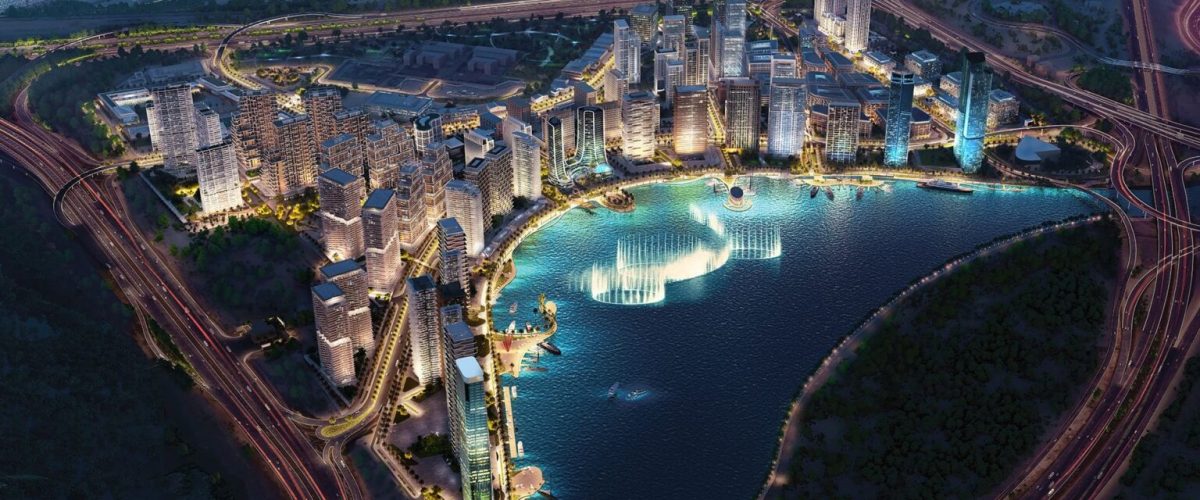
Dubai Design District (d3), long recognised as a centre for creativity and design, is entering a transformative new phase. Woods Bagot has led the masterplan for the district, shaping a human-centred creative hub that weaves together architecture, public spaces, and masterplanning strategy. The plan introduces a continuous pedestrian spine, five distinct districts, and context-responsive buildings that respond to waterfront, wetland, and urban views.
Commissioned by Dubai Holdings Real Estate, the masterplan builds on d3’s established design legacy, creating a district that balances cultural vibrancy, community interaction, and wellbeing at every scale.
Design vision & The Design Line: A spine for creativity
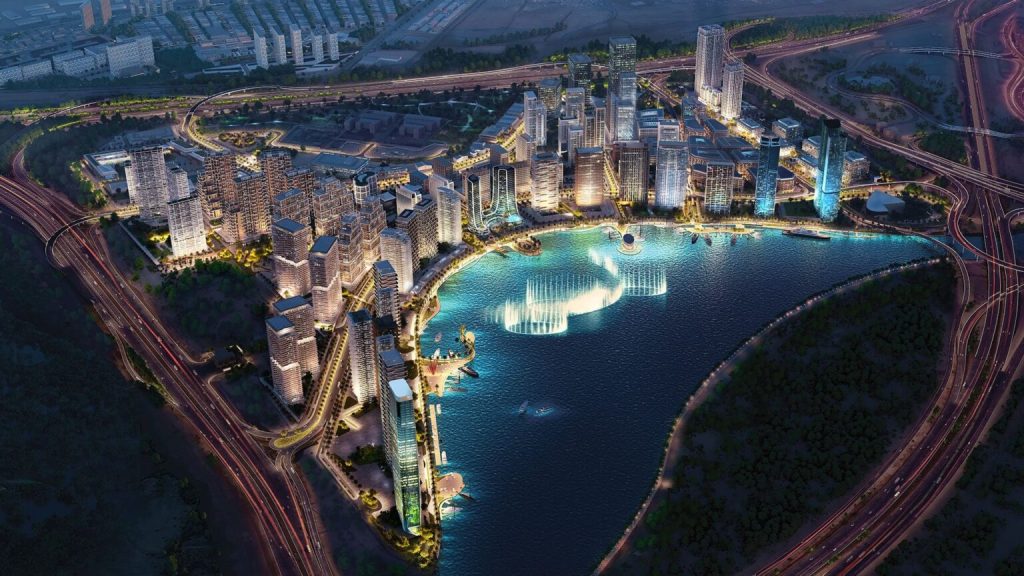
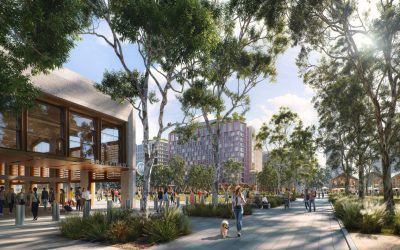
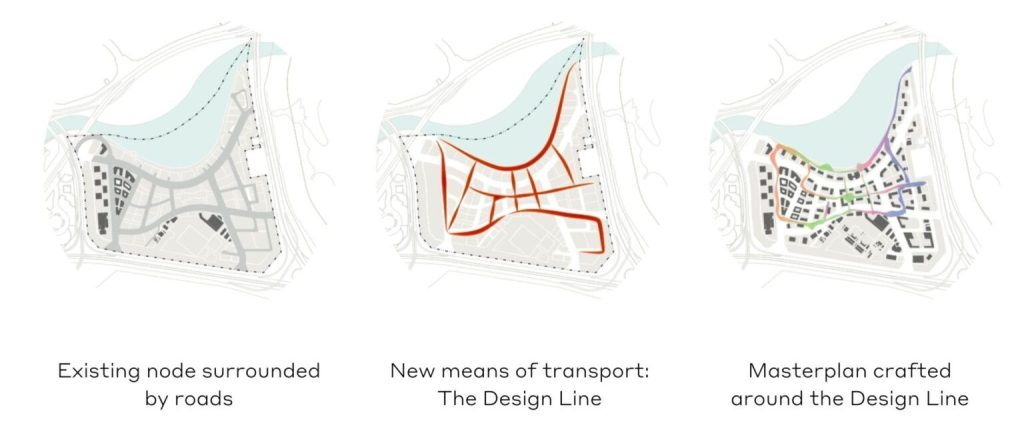
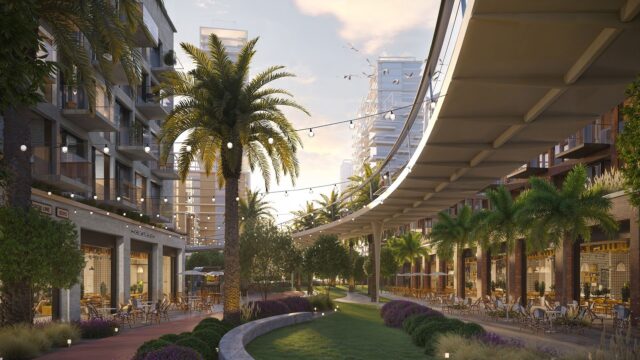
At the heart of the masterplan is The Design Line, an uninterrupted pedestrian-first mobility spine that threads together the district’s five unique neighbourhoods. It promotes walking, cycling, and jogging free from vehicular interruption, transforming everyday circulation into an experiential urban journey.
The spine is animated with curated art installations, seating areas, exercise pockets, and seasonal activations, creating a living, interactive pathway that fosters social connection, creativity, and wellbeing. By rethinking how people move between buildings, the Design Line becomes the central narrative of Dubai Design District‘s design identity.
Five districts: Immersive urban experiences
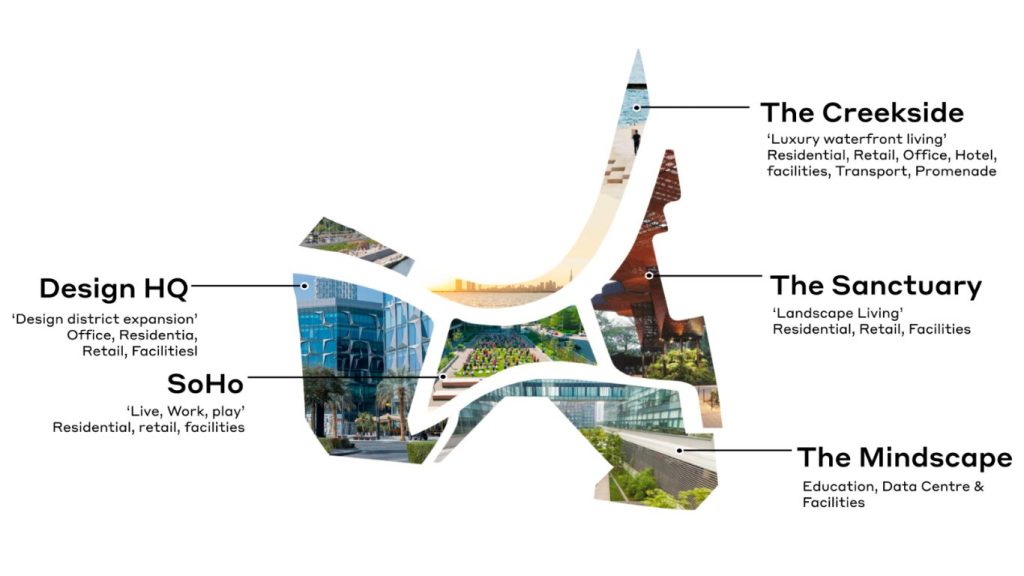
Branching from the Design Line, the masterplan unfolds into five vibrant districts, each carefully crafted for culture, interaction, and human-scale living:
- Creekside: Waterfront promenades, mangrove serenity, and dramatic sunset views frame refined living.
- SOHO: A bustling mixed-use quarter where commerce, culture, and community intertwine along pedestrian-scaled streets.
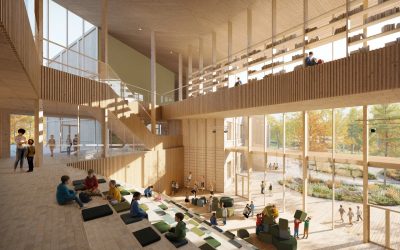
- Mindspace: Flexible studios and learning environments nurture curiosity, innovation, and creative collaboration.
- Sanctuary: Residential areas adjacent to wetlands provide immersive, peaceful experiences in nature.
- Design HQ: A dynamic blend of offices, homes, retail, and food and beverage (F&B) that fuels collaboration and amplifies the district’s creative energy.
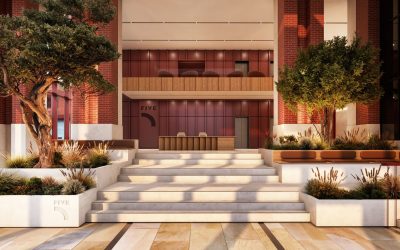
Across each district, architecture responds to context and function — glazed façades along the waterfront gradually transition to more private, solid expressions deeper into the neighbourhoods. Shaded green pathways and sikkas ensure walkability, while retail and community nodes maintain a vibrant, active urban life.
“The d3 masterplan is designed for imagination, opportunity, and connection, strategically positioning Dubai to become one of the most creative and liveable cities in the world.”
– Samer Charara, Principal and Studio Executive Chair at Woods Bagot
Contextual architecture & pedestrian experience
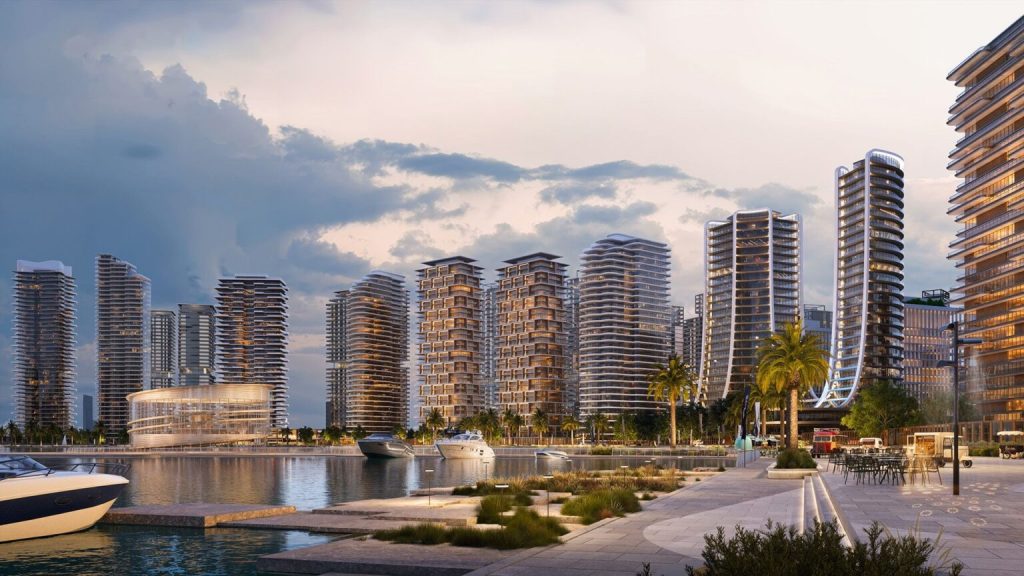
Woods Bagot’s architecture strategy focuses on human-centred urbanism, balancing aesthetic innovation with functional connectivity. Buildings, public spaces, and waterfront promenades are designed to invite interaction and discovery, integrating seamlessly with the surrounding urban fabric.
The Design Line transforms movement into an immersive cultural experience, blending mobility, leisure, and creative encounters. This approach ensures the district is both visually compelling and socially engaging.
Sustainability & ESG leadership
Sustainability is a cornerstone of the d3 masterplan. Targeting LEED Cities and Communities certification, the district integrates environmental, social, and governance (ESG) strategies through a framework developed by Woods Bagot and Impact Futures with Dubai Holdings Real Estate.
The approach positions d3 as a model for energy-efficient, liveable, and future-ready urban design, demonstrating how a creative district can harmonise people, place, and environmental responsibility.
Cultural & urban impact
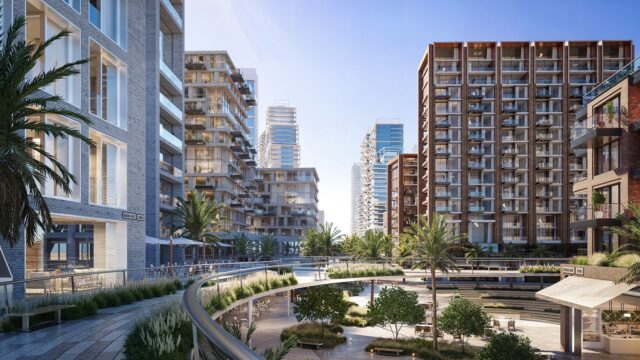
The expanded d3 is poised to strengthen Dubai’s creative identity globally. From hosting international design festivals to daily interactions within thoughtfully curated public spaces, the masterplan reinforces d3’s role as a vibrant cultural and creative hub. Its strategic location between Downtown Dubai, Business Bay, and Dubai Creek Harbour ensures connectivity and urban integration, amplifying its influence across the city.
“Designing the d3 Masterplan was a unique opportunity to push the boundaries of urban design. It creates a connected, human-centred district that amplifies d3’s existing creative spirit.”
– Priya Mrinal, Principal at Woods Bagot
Shaping Dubai’s next creative district
The d3 masterplan reinterprets how a creative district can function at multiple scales — from the pedestrian-first spine connecting the neighbourhoods to the subtle shifts in architectural expression along the waterfront. Rather than imposing a singular vision, the plan orchestrates a variety of experiences, balancing public life, residential tranquillity, and cultural activation in a coherent urban fabric.