In high-end residential construction, technology adoption is rarely driven by speed alone. Luxury villas and bespoke homes prioritise design integrity, material precision and client-led customisation — areas where errors are costly and reputational risk is high.
Against this backdrop, artificial intelligence (AI) is beginning to play a subtle but increasingly influential role, not as an automation tool, but as a mechanism for protecting quality, managing complexity and supporting decision-making throughout the delivery process.
Design fidelity in bespoke residential projects
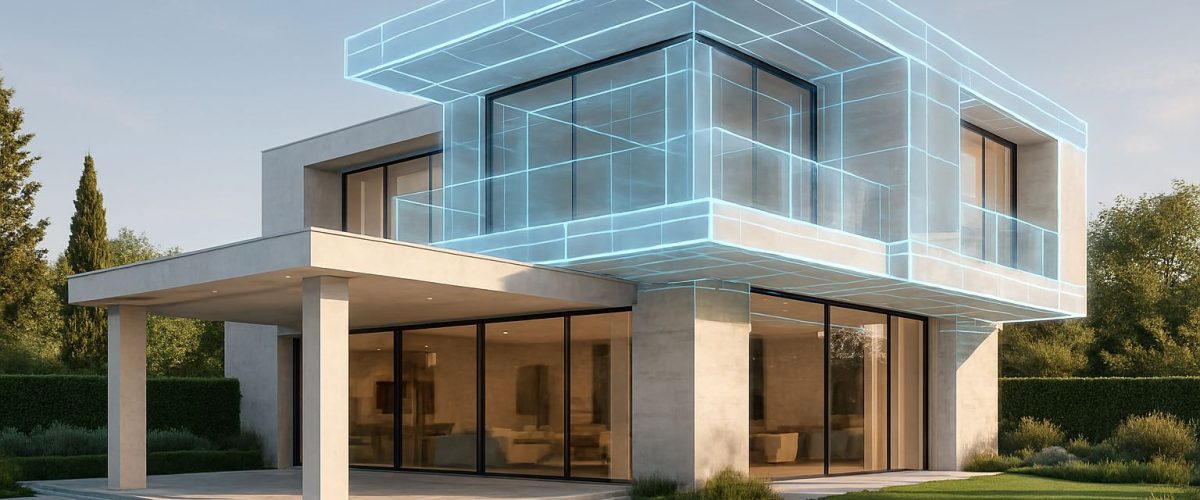
Luxury residential developments typically involve highly customised designs, constrained plots and intensive coordination between architects, consultants and specialist fabricators. AI-assisted design platforms are increasingly being used at early stages to test feasibility and preserve design intent as projects evolve.
Tools such as TestFit and Hypar apply AI and computational design techniques to rapidly evaluate layout options, massing constraints and buildability scenarios. Rather than replacing architectural creativity, these platforms help design teams explore alternatives quickly while maintaining alignment with planning constraints and client expectations.
For developers working on premium plots, this early-stage intelligence can reduce downstream redesign and support more informed decision-making before construction begins.
Site visibility and finish-level accuracy
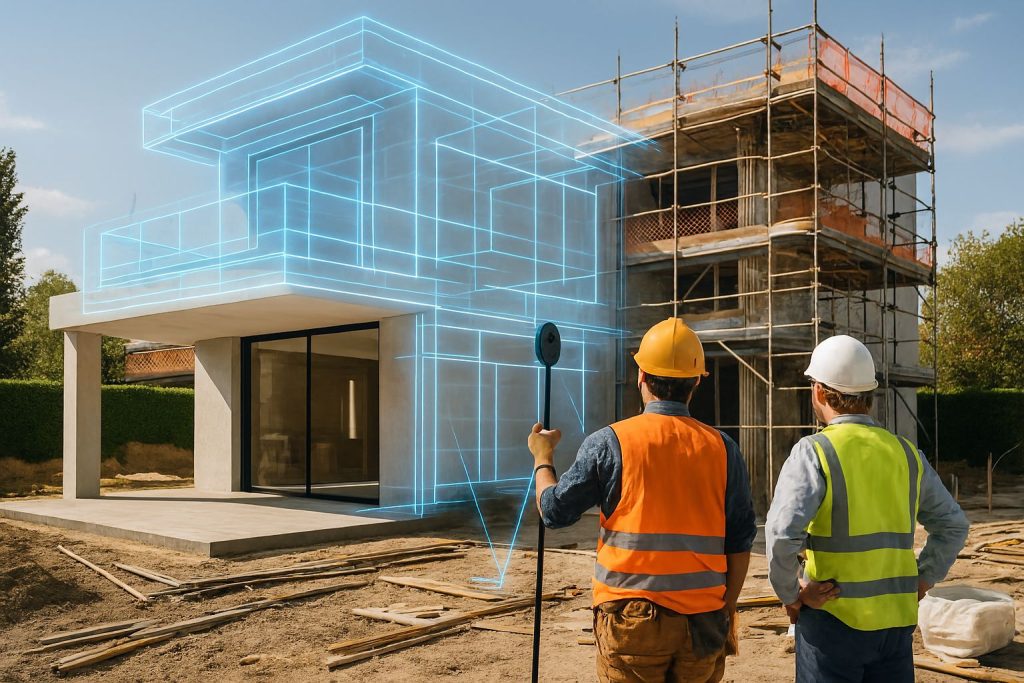
Once construction is underway, maintaining design accuracy becomes more challenging — particularly on villa projects where bespoke finishes, custom joinery and non-standard assemblies are common.
AI-enabled visual capture platforms such as OpenSpace, Cupix and Reconstruct are increasingly being used to document site conditions in high detail. By creating continuous visual records of construction progress, these tools allow teams to compare as-built conditions against approved drawings and models, helping identify deviations before they become embedded.
For luxury residential projects, this level of oversight is less about productivity and more about safeguarding craftsmanship and finish quality.
Managing late-stage changes and approvals
Client-driven changes are a defining feature of high-end residential construction. Design revisions often continue deep into the build phase, placing pressure on coordination and approval workflows.
Platforms such as Join are being adopted to streamline design collaboration, version control and approvals across distributed teams. While not exclusively AI-driven, these systems increasingly incorporate intelligent features that surface conflicts, track decision histories and reduce ambiguity during late-stage changes.
This approach supports clearer accountability while reducing friction between design and delivery teams.
Contract clarity and risk control

Luxury residential projects often involve bespoke contracts, specialist suppliers and non-standard scopes, increasing exposure to contractual disputes. AI-assisted contract analysis platforms such as Document Crunch and Hexagon (earlier, Avvir) are being used to interpret specifications, identify risk clauses and verify compliance against agreed terms.
Rather than replacing legal or commercial oversight, these tools act as early-warning systems — flagging inconsistencies and potential exposure before issues escalate on site.
A measured but meaningful shift

AI adoption in luxury residential construction is not happening through sweeping transformation. Instead, it is emerging selectively, embedded within workflows where precision, traceability and decision confidence matter most.
For developers and architects operating in the premium segment, AI is less about disruption and more about reinforcement — reinforcing quality, design intent and delivery certainty in projects where expectations leave little room for error.
As these tools mature, their role in bespoke residential delivery is likely to expand quietly, supporting better outcomes without altering the fundamentally human nature of high-end design and craftsmanship.