Real estate markets are inherently cyclical, yet certain cities and regions consistently demonstrate resilience amid global crises — from geopolitical tensions and oil price shocks to financial downturns and pandemics. Understanding these resilient markets is crucial for developers, investors, and stakeholders seeking stability and long-term value in uncertain times.
Across the globe, markets such as Dubai, Abu Dhabi, Riyadh, Singapore, and others have repeatedly stood the test of challenging times, maintaining transaction activity, occupancy rates, and investor confidence. Their ability to absorb shocks is often rooted in a combination of government-backed infrastructure, prime location appeal, diversified property segments, and a stable regulatory framework.
In this article, we explore the historical performance, market structure, recovery patterns, and investor behaviour in some of the most resilient real estate markets, providing a view of where stability and opportunity coexist — even during the most challenging periods.
Dubai, UAE

Dubai’s real estate market has demonstrated a recurring capacity to adjust to regional shifts and global financial disruptions, evolving from a regional trading hub into one of the most internationally integrated property markets in the Middle East. While historically characterised by periods of elevated volatility, successive regulatory reforms and the introduction of long-term residency initiatives, including the Golden Visa programme, have contributed to a more structured and investor-diversified ecosystem.
The Post-2002 Era and the Global Financial Crisis (2008-2009)
Following the 2002 decree permitting foreign freehold ownership, Dubai experienced a period of rapid expansion that was significantly disrupted by the 2008 Global Financial Crisis. Elevated levels of speculative activity, particularly within the off-plan segment, contributed to price corrections exceeding 50% in several districts.
The downturn marked a structural turning point. The Dubai Land Department and the Real Estate Regulatory Agency implemented strengthened escrow account requirements and enhanced developer oversight mechanisms designed to protect purchasers and improve market transparency. By 2012, established prime districts such as Palm Jumeirah and Dubai Marina began to stabilise and recover, supported in part by regional capital inflows and Dubai’s relative safe-haven positioning.
The COVID-19 Pandemic and the 2021 Rebound
Despite global mobility restrictions, Dubai’s property market remained operational in 2020, recording approximately 35,400 transactions valued at AED 72.47 billion. Policy responsiveness, comparatively flexible entry measures, and supportive global liquidity conditions helped limit prolonged contraction.
Momentum strengthened in 2021 following the hosting of Expo 2020 and the expansion of long-term residency pathways. According to Dubai Land Department data, the emirate recorded 84,196 transactions valued at nearly AED 300 billion, representing a substantial year-on-year increase. Activity was supported by both international high-net-worth individuals and regional capital reallocation, particularly within the prime and waterfront segments.
Market Structure and 2026 Outlook
As of early 2026, Dubai’s residential market exhibits characteristics of a more end-user-oriented cycle relative to previous expansion phases. The introduction of the 10-year Golden Visa and the implementation of the Dubai 2040 Urban Master Plan have encouraged longer-term holding strategies and greater residential permanence.
The luxury villa segment — particularly in areas such as Meydan, Dubai Hills Estate, and Jumeirah Golf Estates — has experienced notable price appreciation. At the broader market level, residential demand continues to be supported by comparatively high rental yields, often averaging between 6% and 9%, alongside a tax-neutral framework on rental income and capital gains.
An increased proportion of cash-based transactions has reduced direct exposure to global interest rate tightening. Nevertheless, as a globally connected market, Dubai remains influenced by international liquidity cycles and cross-border capital flows.
Key Resilience Factors:
- World-Class Infrastructure: Constant investment in “mega-projects” like Dubai Harbour and the Dubai Metro expansion ensures long-term capital appreciation.
- Regulatory Maturity: Strict DLD and RERA oversight, including mandatory escrow accounts, has significantly lowered investor risk.
- Global Talent & Wealth Magnet: Progressive residency laws (Golden Visa) have converted Dubai from a transient market into a permanent home for global HNWIs.
- Tax Efficiency & Yield: A 0% tax environment on rental income and capital gains continues to drive international liquidity into the residential sector.
Abu Dhabi, UAE
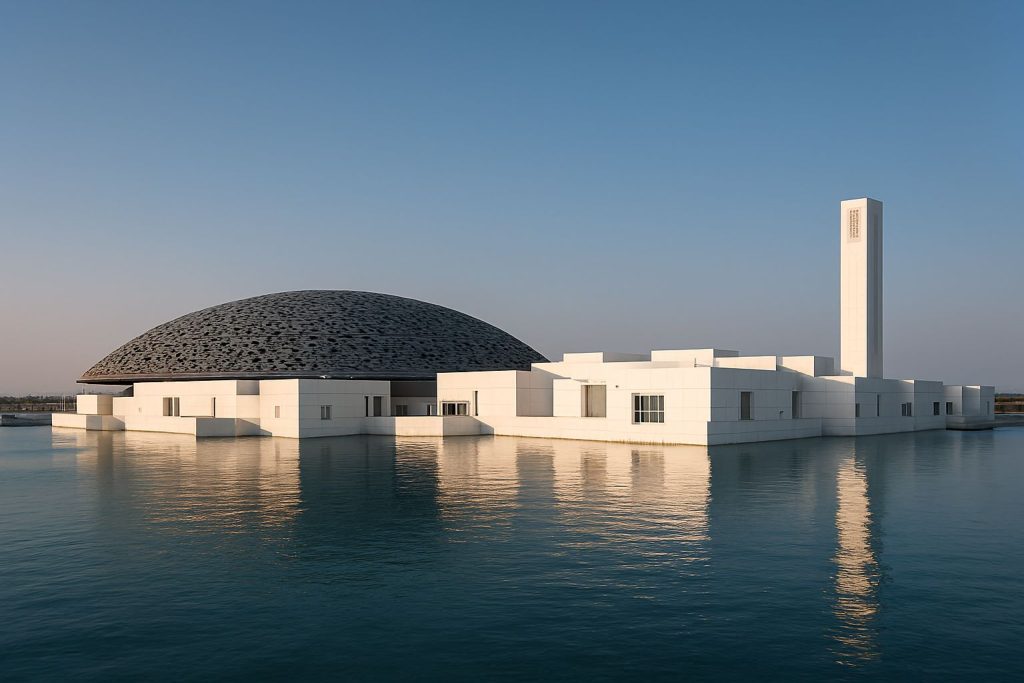
Abu Dhabi’s real estate market is characterised by institutional stability, sovereign fiscal capacity, and a carefully managed supply pipeline that differentiates it from more cyclically volatile regional markets. As the capital of the United Arab Emirates, Abu Dhabi has historically emphasised long-term urban planning, infrastructure-led development, and end-user demand rather than rapid speculative expansion.
The Global Financial Crisis and Market Consolidation (2008-2012)
At the onset of the 2008 Global Financial Crisis, Abu Dhabi’s modern investment property market was still developing. While the emirate experienced a correction in both rental and capital values — with residential prices declining by an estimated 30-40% from peak levels by 2012 — the adjustment was moderated by substantial government fiscal support and continued public sector investment.
Unlike markets where large-scale project cancellations became widespread, Abu Dhabi maintained progress on strategic developments. The completion of the Yas Marina Circuit in 2009 and ongoing commitments within the Saadiyat Cultural District reinforced long-term development objectives during a period of global retrenchment. These initiatives supported investor confidence and signalled policy continuity.
The 2014 Oil Price Adjustment
The decline in global oil prices between 2014 and 2016 presented a structural test for Abu Dhabi’s economy. The real estate sector experienced moderate softening, particularly in prime rental segments, where values declined by an estimated 10-15% amid corporate consolidation in energy-related industries.
However, the market avoided systemic distress. Demand patterns shifted toward higher-quality, recently completed communities such as Al Reem Island and Al Raha Beach, while older inventory absorbed a greater share of the adjustment. This differentiation indicated an emerging segmentation between premium master-planned communities and legacy stock.
The COVID-19 Period and Subsequent Recovery
During the COVID-19 pandemic, Abu Dhabi’s real estate market demonstrated relative stability compared to many global cities. According to data from the Department of Municipalities and Transport, approximately 19,000 sales and mortgage transactions were recorded in 2020, with a combined value of around AED 74 billion.
In 2021, total transaction volumes moderated to 14,958 deals valued at AED 71.5 billion. While overall activity levels were slightly lower year-on-year, the composition of demand reflected a greater proportion of higher-value end-user purchases. Demand for villas and low-density residential formats increased, particularly in established investment zones such as Yas Island and Saadiyat Island, as buyers prioritised larger living environments and integrated community amenities.
Market Structure and 2026 Outlook
As of 2026, Abu Dhabi’s residential market exhibits characteristics of supply discipline and gradual structural maturation. Development activity within core investment zones has remained measured relative to regional peers, limiting the risk of sustained oversupply.
Recent policy reforms, including the expansion of freehold ownership eligibility for foreign investors and the introduction of long-term residency pathways such as the Golden Visa, have broadened the emirate’s buyer base. These measures have contributed to a gradual transition from a predominantly expatriate leasing model toward greater owner-occupier participation.
In the upper-tier residential segment, limited new supply in prime waterfront and cultural districts has supported value retention. However, the market remains sensitive to broader macroeconomic conditions, including hydrocarbon price cycles and regional capital flows.
Key Resilience Factors
Several structural factors underpin Abu Dhabi’s relative stability:
- Sovereign Fiscal Capacity: Sustained public investment in infrastructure, tourism, culture, and diversification initiatives provides countercyclical support during periods of external volatility.
- Measured Supply Pipeline: A more controlled project launch environment has reduced the amplitude of boom-bust dynamics seen in higher-growth markets.
- End-User Orientation: Demand for larger, family-oriented housing formats has supported a more stable ownership base with comparatively lower leverage.
- Institutional Presence: Government-related entities continue to play a significant role as developers, landlords, and tenants, contributing to occupancy stability and development continuity across market cycles.
Riyadh, Saudi Arabia
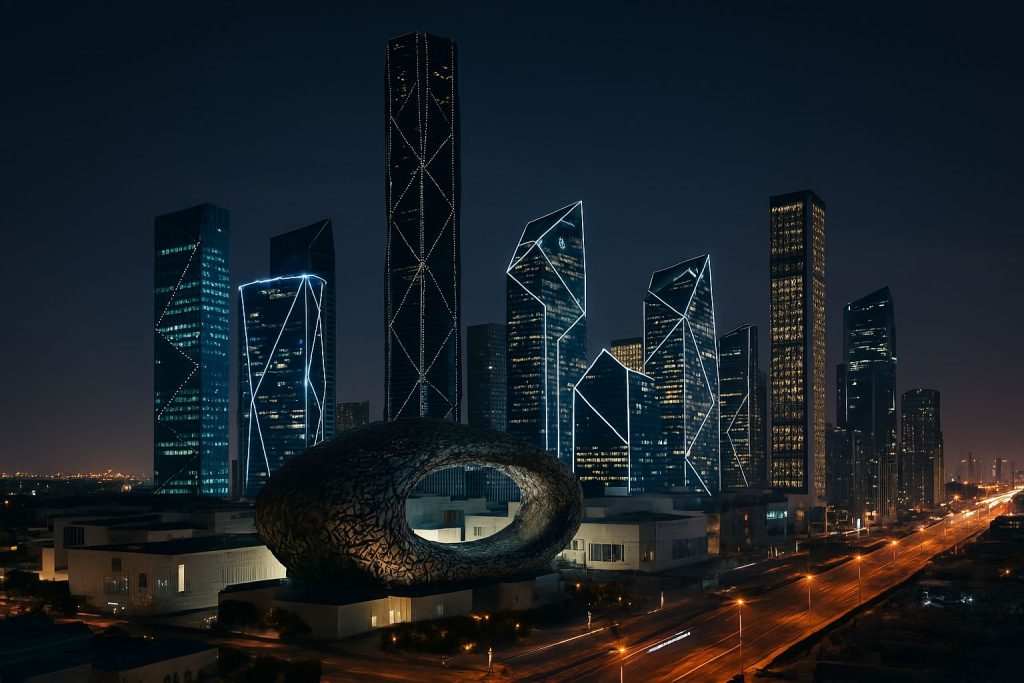
Riyadh’s real estate market—the largest in the Kingdom—is undergoing a structural transformation that accelerated following the launch of Vision 2030 in 2016. The market has progressively shifted from a fragmented landscape dominated by individual land trading toward a more institutionalised, master-planned urban development model. While historically influenced by government spending cycles, the current phase is characterised by state-led expansion, regulatory reform, and policy initiatives aimed at increasing homeownership and attracting multinational corporate investment.
The 2014-2016 Oil Price Adjustment and Fiscal Realignment
The decline in global oil prices between 2014 and 2016 represented a significant stress test for Riyadh’s property market. Reduced fiscal revenues resulted in a period of consolidation, including delayed contractor payments and a moderation in construction and commercial activity. Residential transaction volumes softened; however, capital values in established prime areas remained comparatively resilient, supported by a structural shortage of affordable housing and underlying demographic demand.
This period of fiscal adjustment preceded the broader reform agenda formalised under Vision 2030, which introduced structural initiatives aimed at economic diversification, housing market development, and a gradual decoupling of real estate liquidity from hydrocarbon price volatility.
Post-2020 Recovery and Mortgage Expansion
Following a temporary slowdown during the 2020 lockdowns, Riyadh’s residential market recovered strongly, supported by expanded mortgage availability and the continued rollout of the Sakani housing programme. According to Ministry of Justice data, national real estate transaction values—substantially influenced by activity in the capital—reached SAR 197.2 billion during the 1442 Hijri year (2020-2021).
Momentum continued into the 1443 Hijri year (2021-2022), with total transaction values increasing to SAR 221.5 billion. Land sales accounted for approximately 88% of this value. While this high share reflects the market’s historical reliance on land banking and forward positioning, it also indicates active development planning, particularly in northern Riyadh, where large-scale master-planned communities are emerging.
Structural Growth Phase and 2026 Outlook
As of early 2026, Riyadh is in an accelerated development phase, supported by the Regional Headquarters (RHQ) programme. Although still in the early stages of implementation, the policy has strengthened demand for Grade A office space, particularly within the King Abdullah Financial District (KAFD), reinforcing its position as the city’s primary financial and commercial hub.
Large-scale initiatives—including Diriyah, Qiddiya, and New Murabba—are reshaping Riyadh’s long-term urban profile. While these projects have extended delivery timelines, their scale and strategic positioning have redirected investor focus toward integrated, mixed-use environments and higher-quality residential formats. Over time, this transition is contributing to the maturation of the city’s urban fabric and investment landscape.
Investor Behaviour and Market Drivers
Investor activity has gradually evolved from a predominantly domestic, land-oriented model toward one that increasingly incorporates institutional capital and high-net-worth individuals. During periods of uncertainty, speculative land trading in secondary areas tends to decelerate, while prime commercial clusters and established residential districts in northern Riyadh demonstrate comparatively stronger resilience.
The expansion of the mortgage sector has been a key structural catalyst, converting previously latent end-user demand into active participation. This shift has supported transaction liquidity and contributed to a more stable pricing foundation within the residential segment.
Key Resilience Factors
- State-Led Urban Expansion: Large-scale infrastructure projects and giga-developments provide long-term visibility and support development confidence across market cycles.
- Demographic Fundamentals: A young and expanding Saudi population underpins sustained housing demand, offering a more structurally embedded demand base relative to expatriate-driven markets.
- Regulatory Reform and Institutionalisation: Measures such as the White Land Tax, mortgage market reforms, and the RHQ programme have enhanced market transparency, broadened financing access, and progressively narrowed structural supply-demand imbalances.
- Administrative and Economic Centralisation: As the Kingdom’s administrative and financial centre, Riyadh benefits from the concentration of government entities and corporate headquarters, providing a consistent demand base for prime office and residential segments.
Singapore
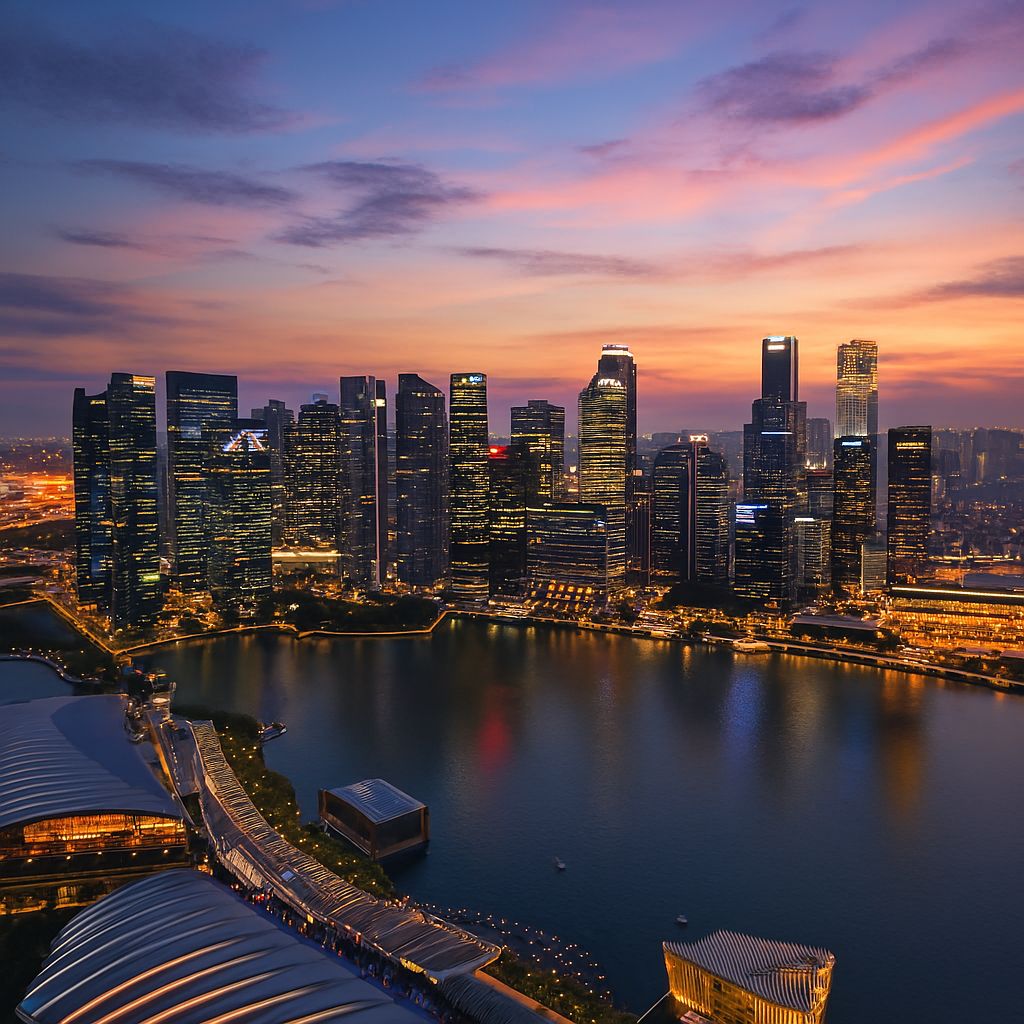
Singapore’s residential market is characterised by a high degree of policy management and structural stability. Relative to several regional peers, the sector benefits from high owner-occupation rates and the active deployment of macro-prudential tools to manage cyclical volatility.
This regulatory framework, combined with stringent land-supply controls and a substantial domestic wealth base, has historically enabled the city-state to navigate systemic shocks, including the Asian Financial Crisis (AFC), the Global Financial Crisis (GFC), and the COVID-19 pandemic.
The Asian Financial Crisis and Market Realignment (1997-1998)
The AFC represented the most significant modern correction in Singapore’s property history, with private residential prices declining by approximately 45% peak-to-trough between 1996 and 1998. The recovery phase was protracted; while prices experienced a temporary rebound in 1999, they did not sustainably return to pre-crisis peaks until the mid-2000s. This period served as a formative stage for the market’s current structure, prompting refinements in land-supply management and laying the groundwork for the macro-prudential framework that would become more formalised in subsequent cycles.
The Global Financial Crisis (2008-2009)
During the Global Financial Crisis, Singapore experienced a sharp but relatively short-lived correction. Private residential prices declined by approximately 25% between mid-2008 and early 2009, accompanied by a significant contraction in transaction volumes.
However, the market reached a cyclical trough by mid-2009 and staged a rapid recovery. By 2010, prices had surpassed pre-crisis peaks, supported by global monetary easing and the relative strength of domestic household balance sheets. This episode reinforced Singapore’s role as a stable legal and financial hub within the region.
The COVID-19 Pandemic and 2021 Momentum
Singapore’s property market maintained a steady profile during the COVID-19 pandemic. Despite the operational restrictions of 2020, private residential prices increased by 2.2% for the full year, supported by low interest rates and a robust domestic upgrader segment.
Developers sold 9,982 new private units in 2020, consistent with 2019 volumes. Momentum accelerated in 2021, with the Private Residential Property Price Index rising 10.6%—the strongest annual growth since 2010. Total transaction volumes (including resales) reached 33,512 units, reflecting broad-based demand and high levels of market liquidity.
Key Resilience Factors:
- Active Regulatory Oversight: Authorities manage market cycles through the Additional Buyer’s Stamp Duty (ABSD) and Total Debt Servicing Ratio (TDSR) to mitigate leverage-driven bubbles.
- Structural Land Scarcity: As a land-constrained city-state, prime districts such as Orchard Road and Bukit Timah benefit from permanent supply limitations.
- Domestic Capital Base: A high proportion of domestically funded demand provides a buffer during periods of global liquidity contraction.
- Institutional Transparency: Political stability and established legal frameworks continue to attract regional high-net-worth individuals.
Hong Kong
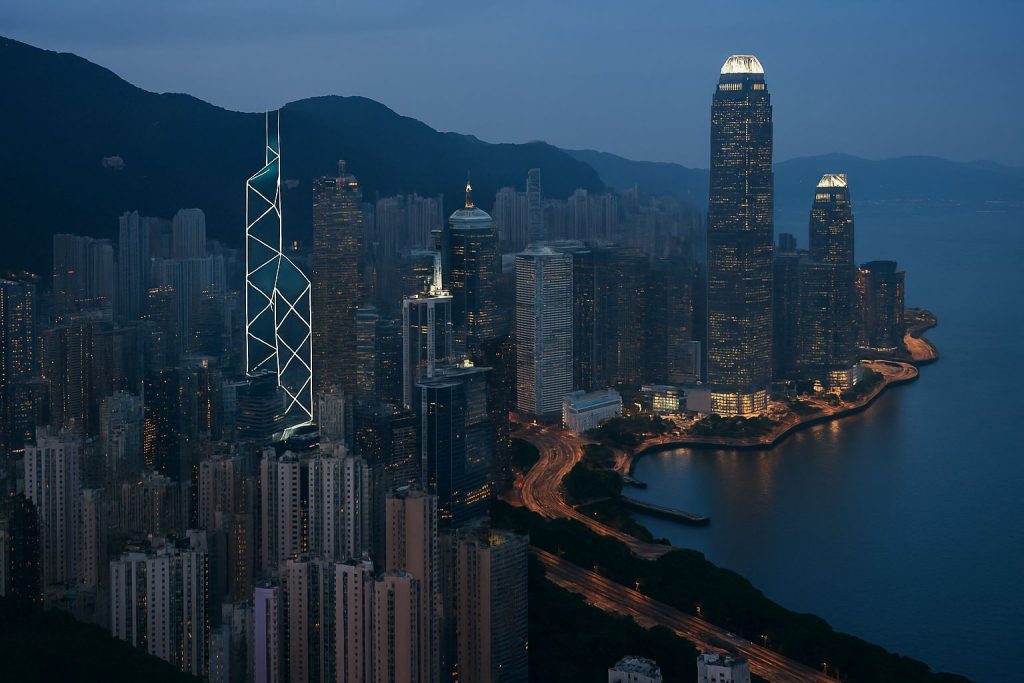
Hong Kong’s real estate market is defined by extreme urban density, structural land scarcity, and a historically resilient luxury segment. Operating within a market-driven framework where land supply is managed through government auctions, the city has navigated significant financial shocks and public health crises over the past three decades.
While the market exhibits high cyclical volatility, it has traditionally demonstrated a significant long-term capacity for value recovery following periods of correction.
The Asian Financial Crisis (1997-2003)
The Asian Financial Crisis triggered the most extensive downturn in Hong Kong’s modern property history. Residential prices declined sharply following the 1997 peak and ultimately fell by roughly 65-70% by 2003. This period was characterised by high levels of negative equity and a collapse in transaction activity. The recovery was notably prolonged; prices did not sustainably surpass 1997 highs until 2010-2011.
However, the period established the defensive characteristics of prime districts like The Peak and Mid-Levels, where land scarcity limited structural oversupply during a phase of deflationary pressure.
The Global Financial Crisis (2008-2009)
During the Global Financial Crisis, Hong Kong experienced a sharp but comparatively brief correction. Residential prices declined by approximately 20-25% amid a global liquidity squeeze. Similar to other global financial hubs, the downturn was short-lived; aggressive global monetary easing and renewed capital inflows from Mainland China triggered a rapid recovery. This was followed by a prolonged upcycle, particularly within the luxury segment, where values reached historic peaks over the subsequent decade.
COVID-19 and the 2021 Peak, Followed by Structural Adjustment
During the COVID-19 pandemic, Hong Kong initially displayed price stability, reaching a historical peak in September 2021 according to the Rating and Valuation Department (RVD). However, the post-2021 phase has marked a departure from previous V-shaped recoveries. Between 2022 and 2025, residential prices declined materially—dropping over 20% from peak levels—reflecting the impact of rising interest rates via the USD peg and shifting demographic trends. Despite this adjustment, the extreme scarcity of inventory in prime districts continues to offer relative support to the high-end segment.
Key Resilience Factors:
- Absolute Land Scarcity: Limited developable land in core districts constrains long-term supply and supports price levels over extended cycles.
- Gateway to Mainland Capital: Historically strong capital flows from Mainland Chinese HNWIs provide liquidity during expansionary phases.
- Institutional Framework: Transparent land-sale processes and established property rights underpin long-term investor confidence.
- History of Cyclical Absorption: Despite experiencing deep corrections, the market has a proven track record of regaining momentum when global liquidity and capital flows realign.
London, UK
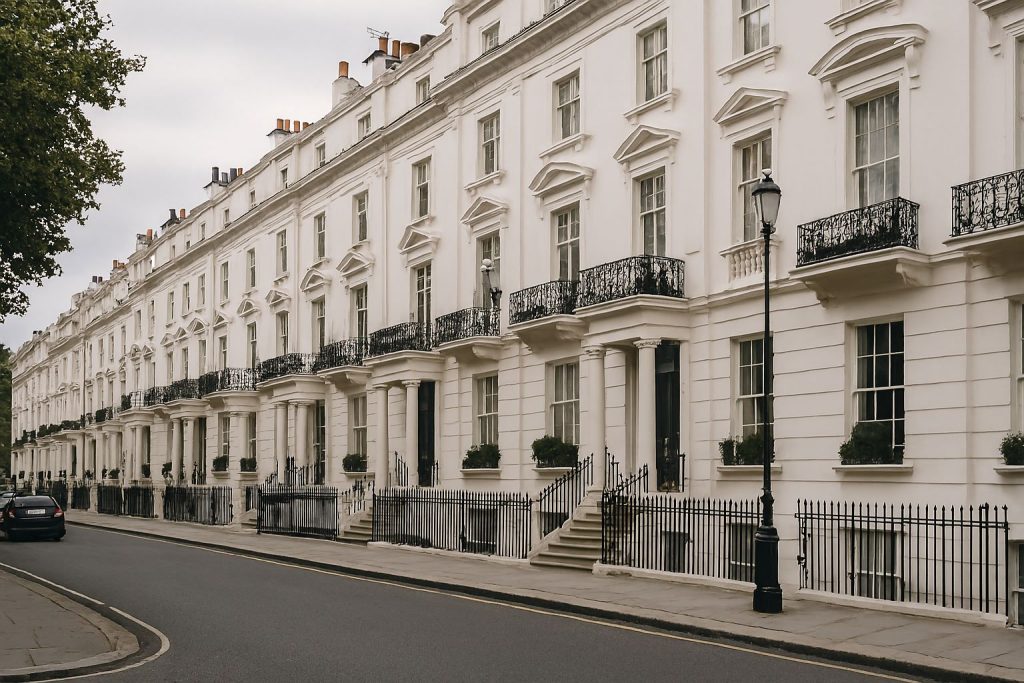
London’s real estate market has long been recognised for its global appeal, prime property resilience, and international investor base, making it a benchmark for crisis-tested urban markets. Over the past three decades, the city has navigated financial shocks, political uncertainty, and health crises while maintaining a status as a premier global safe haven for capital.
The Global Financial Crisis (2008-2009)
During the Global Financial Crisis, London’s property market faced a sharp test. While the UK mainstream market saw prices decline by approximately 20%, Prime Central London (PCL) experienced a more acute initial correction of nearly 30% from peak to trough. However, the resilience of the luxury segment was demonstrated by its rapid recovery; aided by a weakened pound and a surge in international demand, prime districts like Mayfair and Knightsbridge returned to their pre-crisis peaks as early as 2011, years ahead of the national average.
The Brexit Referendum (2016-2019)
The 2016 Brexit referendum introduced a period of protracted uncertainty that led to a “price recalibration” rather than a crash. While transactional activity dipped, prime residential districts maintained a foundational value floor. Prices in PCL saw a gradual decline of roughly 16-20% over five years, largely due to a combination of political caution and increased Stamp Duty. Despite this, international buyers continued to target trophy assets in Belgravia and St John’s Wood, viewing the market’s softening as a strategic entry point into a world-class city.
The COVID-19 Pandemic and the “Race for Space”
During the COVID-19 pandemic, London’s property market displayed a unique “dual-speed” recovery. The pandemic produced a dual-speed recovery. Prime Central London saw modest growth amid international travel restrictions, while Prime Outer London districts such as Richmond, Chiswick, and Wandsworth experienced strong demand for larger family homes. Several prime outer boroughs recorded double-digit price growth in 2021, driven by lifestyle shifts and remote working trends. As global travel resumed, the super-prime (£5m+) market recorded among its strongest transaction levels since 2013, reaffirming London’s position as a magnet for global wealth.
Current Outlook and Structural Resilience
Following the high-interest-rate environment of 2024-2025, London’s market is entering a period of stabilisation. Prime Central London is showing signs of renewed equilibrium as international confidence gradually rebuilds. The city’s resilience continues to be underpinned by chronic supply constraints, institutional transparency, and its enduring status as a global hub for finance, technology, and culture.
Key Resilience Factors:
- Global Capital Hub: Diversified inflows from the Middle East, Asia, and North America sustain liquidity in prime segments.
- Structural Supply Scarcity: New housing starts remain subdued relative to long-term demand.
- Diversified Economic Base: A robust rental market and international workforce support investor yields.
- Infrastructure-Led Value Creation: Major projects such as the Elizabeth Line have enhanced connectivity and long-term value in surrounding districts.
New York City, USA
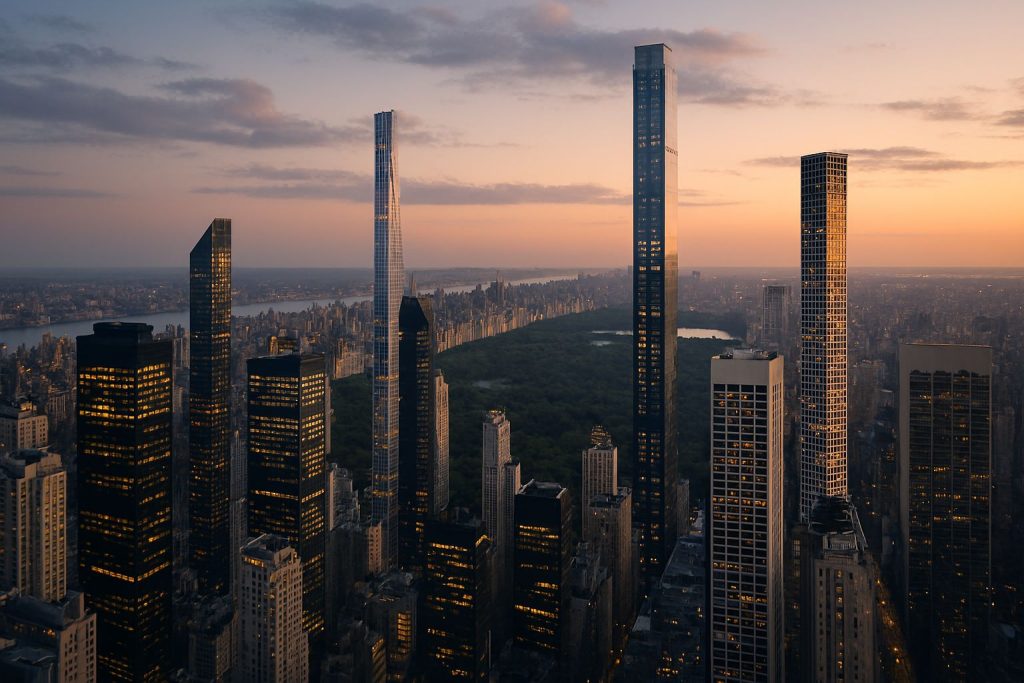
New York City’s real estate market, particularly the prime residential segment of Manhattan, is widely regarded as one of the most liquid and crisis-tested globally. As a premier financial hub, NYC has navigated systemic shocks ranging from the 2008 Global Financial Crisis to the COVID-19 pandemic, repeatedly demonstrating its capacity to absorb volatility, maintain transactional depth, and recover value.
The Global Financial Crisis (2008-2009)
The 2008 downturn triggered a sharp correction in Manhattan, with median sales prices declining approximately 15-20% peak-to-trough and transaction volumes contracting by more than 50% during the height of market dislocation. Liquidity tightened across all segments; however, prime districts such as the Upper East Side, Tribeca, and SoHo continued to see selective activity, particularly for well-priced and high-quality assets.
Recovery in Manhattan’s prime segment began emerging by 2011, supported by renewed domestic confidence and strong international capital inflows. By 2014-2015, many prime properties had surpassed pre-crisis price levels, reflecting New York’s status as a global safe-haven market and the depth of its high-net-worth buyer base.
The COVID-19 Pandemic and the 2021 Rebound
Despite being the early US epicentre of the pandemic, NYC’s residential market staged a notable rebound following the near standstill of Q2 2020, when transaction volumes fell by more than 50% year-on-year. As restrictions eased and pricing adjusted, demand accelerated sharply.
By late 2021, Manhattan recorded one of its strongest sales years in decades, according to brokerage and appraisal data. The recovery was marked by rapid absorption of luxury inventory and increased demand for larger, work-from-home-oriented residences in prime neighbourhoods.
The rental market similarly demonstrated resilience. After sharp declines in 2020, prime Manhattan rents rebounded significantly, rising approximately 20-35% from pandemic trough levels in several core submarkets by 2022. This recovery reinforced investor confidence and strengthened yield support for residential assets.
Cash Dominance and Modern Resilience (2024-2026)
A defining characteristic of Manhattan’s modern resilience is the high proportion of all-cash transactions, particularly in the luxury segment. In recent years, more than half of condo and co-op purchases have been completed without mortgage financing, with even higher concentrations in the upper price brackets.
This substantial base of unleveraged ownership has helped insulate the prime market from elevated interest-rate environments, reducing the likelihood of distressed selling during periods of monetary tightening. Unlike previous cycles driven by leverage expansion, current market activity reflects stronger balance sheets and long-term capital positioning.
Simultaneously, office-to-residential conversion activity has accelerated to multi-decade highs, particularly in areas such as the Financial District. This adaptive reuse reflects both market flexibility and structural efforts to address long-term housing supply constraints within Manhattan’s limited land base.
Key Resilience Factors
New York’s resilience is underpinned by several enduring fundamentals:
- Unmatched Market Depth: High transaction volumes and global investor participation provide consistent liquidity even during downturns.
- Cash Cushion: A significant proportion of unleveraged buyers in the luxury segment reduces systemic vulnerability to credit shocks.
- Global Safe-Haven Status: Manhattan real estate is widely perceived as a secure store of value during periods of geopolitical and financial uncertainty.
- Structural Supply Constraints: Strict zoning, high development costs, and limited land availability restrict new supply, supporting long-term price stability.
- Adaptive Urban Reuse: The ability to convert aging commercial stock into residential inventory demonstrates institutional and regulatory flexibility.
Sydney, Australia
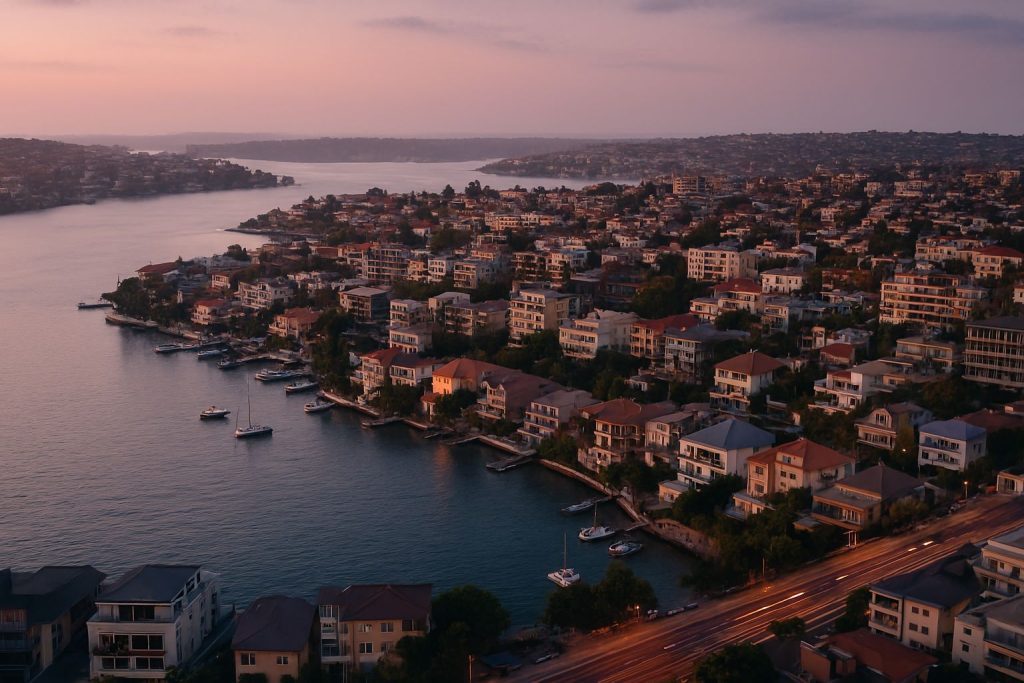
Sydney’s real estate market is one of the most closely watched in the Asia‑Pacific region, known for high prices, strong demand, and deep institutional and domestic investment. The city has weathered multiple shocks — from financial downturns to pandemic‑related lockdowns — with prime residential segments showing notable resilience over time.
Across Australia’s capital cities, official residential property price indices published by the Australian Bureau of Statistics (ABS) show clearly that prices continued rising through 2020 and sustained strong growth in 2021 despite global uncertainty. In the December 2020 quarter, property prices in Sydney posted a +3.7 % annual increase and contributed to a +3.6 % rise across all capital cities, with Sydney’s index up modestly in a disrupted market backdrop.
Through the pandemic recovery phase, Australia’s capital city market experienced significant price acceleration in 2021. According to the ABS data for the December 2021 quarter, Sydney’s residential price index was up 26.7 % relative to December 2020, one of the largest gains among the eight capital cities — reflecting renewed buyer demand and limited supply conditions.
Sydney’s market structure — characterised by constrained land supply, strong domestic demand, and a large investor base — contributes to its resilience. Prime harbour‑side locations and established luxury suburbs have historically retained pricing strength, supported by both local buyers and internationally mobile capital. While mid‑market segments and inner‑city apartment prices face periodic corrections depending on economic conditions and affordability pressures, Sydney’s broad price indices reflect sustained growth across major residential segments during recovery periods.
The contrast between 2020 and 2021 price movements illustrates this broader resilience:
- 2020: During the early pandemic phase, residential property prices continued upward momentum nationally, with Sydney’s index rising about 3.7 % annually despite disruption to sales activity and market sentiment.
- 2021: As COVID‑19 restrictions eased and confidence returned, Sydney’s index soared 26.7 % year‑on‑year in the December 2021 quarter, reflecting robust demand and market breadth.
Sydney’s market behaviour during downturns and recoveries also highlights resilience: while short periods of volatility have emerged (such as temporary slowdowns or micro‑segment corrections), broader price indices demonstrate that homeowners and investors maintained confidence in residential property as a long‑term asset. The city’s high barriers to new supply and deep institutional participation further support pricing stability in core segments.
Investor Behaviour & Buyer Trends
Investor activity in Sydney tends to vary by segment and economic cycle. During downturn phases — for example, short‑term pandemic pressures — some demand shifts toward more affordable suburbs or detached housing occurred. In recovery phases like 2021, renewed activity across both houses and high‑quality apartments was evident, driven by low interest rates, strong employment conditions, and sustained population growth from internal migration.
Key Resilience Factors:
- Limited supply & high demand: Constrained land availability in major corridors supports long‑term price stability.
- Diverse buyer base: A mix of owner‑occupiers, institutional investors, and high‑net‑worth individual buyers maintains liquidity.
- Government & macroeconomic conditions: Policy settings, immigration trends, and financial frameworks underpin sustained market participation.
- Cyclic recovery patterns: Official ABS indices show that even through disruptions like COVID‑19, broader price trends have not collapsed but instead rebounded strongly in subsequent periods.