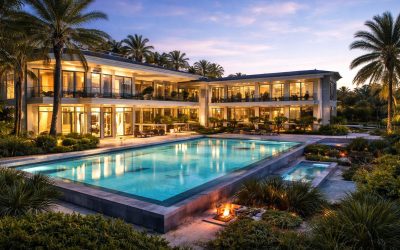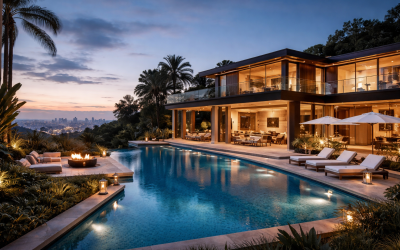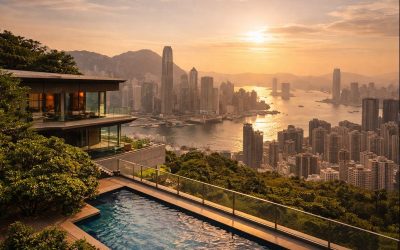
Luxury real estate marketing is evolving. From branded residences with fashion houses to celebrity-endorsed developments, the industry has long searched for ways to differentiate assets in an increasingly competitive global market. Yet a far rarer phenomenon has emerged: naming an entire real estate project after a celebrity who neither owns nor develops it.
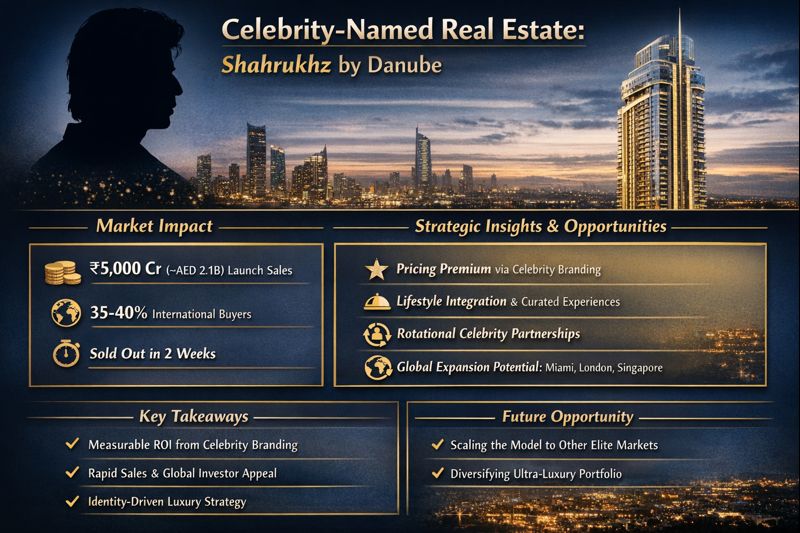
Shahrukhz by Danube, launched in Dubai in 2025, represents one of the clearest executions of this strategy. Named after Shah Rukh Khan, one of the world’s most widely recognised entertainment personalities, the project goes beyond novelty. It offers a compelling case study in market positioning, perception-led pricing power, and international investor appeal, with implications for how ultra-luxury real estate may be marketed in the years ahead.
Strategic value and market rationale
Instant global visibility
Dubai’s luxury real estate market is crowded. Dozens of premium towers launch each year, often with overlapping features. Naming a project after Shah Rukh Khan, a globally recognized Bollywood icon, instantly cuts through the noise. Media coverage alone generated multi-million-dollar equivalent publicity value, exceeding what a conventional campaign would cost.
Pricing premium through psychological anchoring
High-net-worth buyers are highly sensitive to symbolic value. Associating a development with an aspirational public figure creates perception-led pricing power. Shahrukhz by Danube sold out by launch day, securing bookings exceeding AED 2.1 billion (approximately $545 million), highlighting the direct commercial upside of celebrity branding.
International buyer appeal
Global investors account for about 35% of ultra-luxury purchases in Dubai. Shah Rukh Khan’s international recognition, especially in South and Southeast Asia, strategically positions the project to attract buyers beyond local and GCC markets, expanding the addressable investor pool.
Differentiation in a saturated market
Most luxury developments compete on amenities or design alone. A celebrity-named project offers instant differentiation: it’s not just another high-rise; it carries a narrative, an aspirational story that is memorable and media-friendly, which strengthens both sales velocity and long-term brand recall for the developer.
Operational and strategic implications
Brand transfer mechanics
The developer effectively leverages Shah Rukh Khan’s source credibility and lifestyle persona. In marketing terms, this is a direct transfer of brand equity: trust, prestige, and aspiration become embedded in the project without the celebrity assuming ownership responsibility.
Risk dynamics
Celebrity association is a double-edged sword. Public controversies or misalignment between the celebrity’s image and the luxury positioning can impact investor sentiment. Developers mitigate this by structuring contracts to limit direct exposure while securing usage rights for marketing, logos, and naming.
Reduced reliance on traditional incentives
Unlike conventional luxury projects that require aggressive discounts or extravagant amenities, celebrity-named towers sell on perception and status. Early evidence from Shahrukhz suggests faster sell-through and premium pricing, demonstrating a measurable ROI on marketing investment.
The next frontier in ultra-luxury marketing
Narrative as a strategic asset
We are entering an era where luxury real estate is marketed not just as a physical asset but as an identity proposition. Naming a project after a public figure creates a compact narrative that immediately communicates aspirational value to global audiences.
Integration with lifestyle platforms
Future iterations of this strategy may combine celebrity naming with lifestyle experiences such as branded amenities, curated events, or partnership ecosystems, effectively turning property ownership into a living brand experience.
Scalable differentiation models
Developers could also explore limited-edition or rotating celebrity associations for distinct project phases or portfolio segments, creating scarcity narratives similar to high-fashion drops or limited-edition luxury products. This could be particularly effective in markets where buyers are motivated by prestige and exclusivity.
Lessons from a market disruptor
Redefining value beyond bricks and mortar
Shahrukhz by Danube offers a compelling early case study for how narrative and association can drive measurable commercial outcomes — in this instance, a complete sell-out at strong price points early in the sales cycle.
Global appeal extends investor reach
Projects carrying globally recognisable cultural names have the potential to attract buyers far beyond local and regional markets. This expands the investor catchment well beyond traditional geographies and buyer demographics.
Implications for real estate portfolio strategy
For developers and investors evaluating future pipeline strategy, this approach suggests that brand narrative and cultural resonance can be as strategically significant as location or design when targeting the ultra-luxury segment. Future portfolio diversification may incorporate identity-driven assets alongside traditional luxury offerings.