Luxury residential interiors are entering 2026 with a clear shift in stylistic direction, material preferences, and sourcing behaviour, according to the latest Designer Trends Survey published by 1stDibs. The findings are based on responses from 468 interior design professionals worldwide and reflect both observed trends in 2025 and expectations for the year ahead.
The survey forms part of 1stDibs’ ninth annual industry research programme, offering a data-led snapshot of how residential interior design is evolving globally.
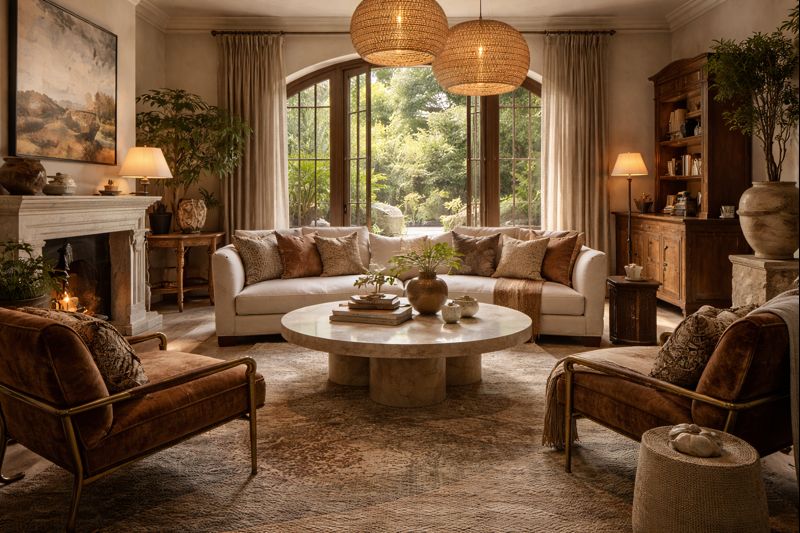
Maximalism and eclecticism lead residential aesthetics
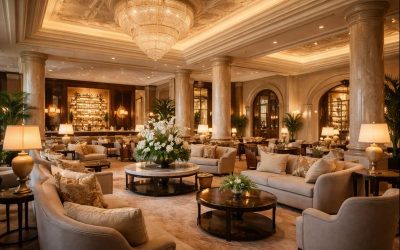
According to the survey, maximalism and eclecticism are the most requested residential design styles for 2026. Maximalism was cited by 39 percent of designers, while eclecticism followed closely at 38 percent.
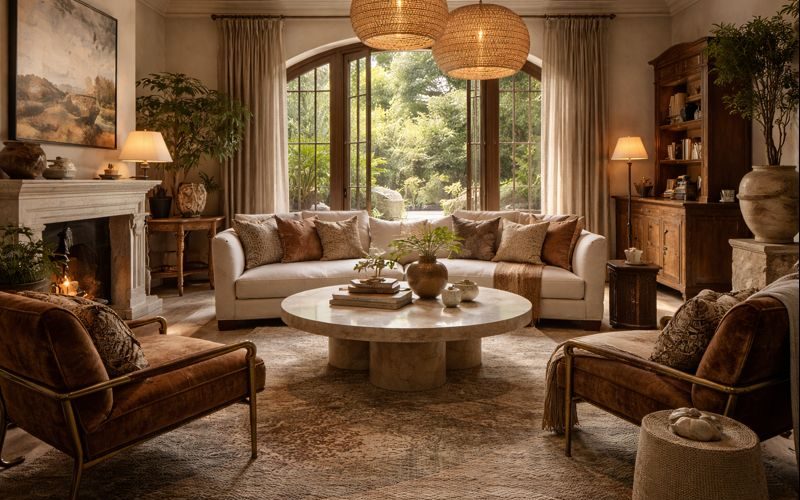
These styles are characterised by layered interiors, mixed periods, varied textures, and expressive combinations, marking a continued move away from minimal and uniform residential aesthetics.
Chocolate brown emerges as the dominant colour
Colour preferences for 2026 show a strong shift towards deeper, earth-led palettes. Chocolate brown was identified by 33 percent of respondents as the leading colour choice, nearly doubling in popularity compared with earlier survey years.
The survey also notes growing interest in burgundy, dark green, sage, and other grounded tones, alongside the emergence of softer pastels such as butter yellow, cornflower blue, and powder pink.
Vintage and antiques gain further ground
Vintage and antique sourcing continues to increase in residential projects. On average, 36 percent of items specified for residential interiors in 2025 were vintage or antique, the highest proportion since 2021.
Eighty-five percent of designers reported sourcing vintage items made between the 1920s and 2000, while the use of pre-1920s antiques rose to 63 percent. Designers indicated an expectation to rely even more heavily on vintage and antique pieces in 2026.
Furniture forms and decorative elements
The survey identifies curvilinear and irregular furniture shapes as a leading trend, cited by 43 percent of designers. Wicker and rattan furniture, skirted seating, and irregularly shaped rugs also rank among the most prominent residential furniture trends.
In decorative finishes, colour drenching, upholstered walls, and wallpapered ceilings are reported as gaining momentum, alongside continued interest in floral and botanical motifs.
Living spaces and lifestyle-driven layouts
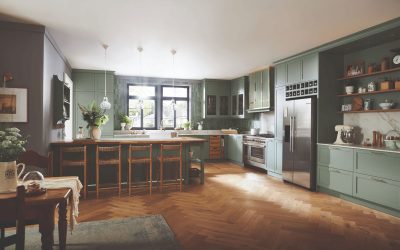
Living rooms and kitchens remain the most requested spaces in residential projects, cited by 63 percent and 52 percent of designers respectively. Bathrooms and dining rooms also showed increased demand.
Designers reported growing interest in secondary kitchens, home libraries, mudrooms, outdoor kitchens, and flexible living areas, reflecting evolving residential lifestyle patterns.
“Luxury residential interiors in 2026 increasingly emphasise layered, personalized spaces, vintage sourcing, and earthy, emotionally supportive palettes.”
Technology and industry outlook
The 2026 survey reports a significant increase in the use of artificial intelligence tools by residential interior designers, primarily for visualisation and presentation. At the same time, designers reported that tariffs introduced in 2025 have impacted sourcing decisions, leading to greater reliance on domestic suppliers.
About the 1stDibs survey
The 1stDibs 2026 Designer Trends Survey was conducted by independent research firm Surveys & Forecasts, LLC, between July and August 2025. The findings are based on structured responses from interior designers participating in the 1stDibs Trade 1st programme and represent practitioner-reported residential design activity and expectations.
The full survey results can be read here.